For patients
- You leave a visit and can't remember what the plan was.
- Something in your chart is wrong, and you find out months later at a different office.
Reverb drafts a record of the visit. The patient checks their history, the clinician checks the diagnosis and plan, and both sign it.
Visit record · Maya Ortiz & Ryan Patel, MD
Sick visit, 15 min
Patient history
Sore throat and congestion for four days. No fever. Takes loratadine daily. Allergic to sulfa drugs. Worried it's related to recent wisdom teeth removal.
Signed by patient
Clinician plan
Likely a viral upper respiratory infection. We'll run a rapid strep and COVID test. The sore throat isn't related to your recent surgery. For now, rest, drink fluids, and use a saline rinse. Call if you get a fever over 101°F or symptoms don't improve in a week.
Signed by clinician
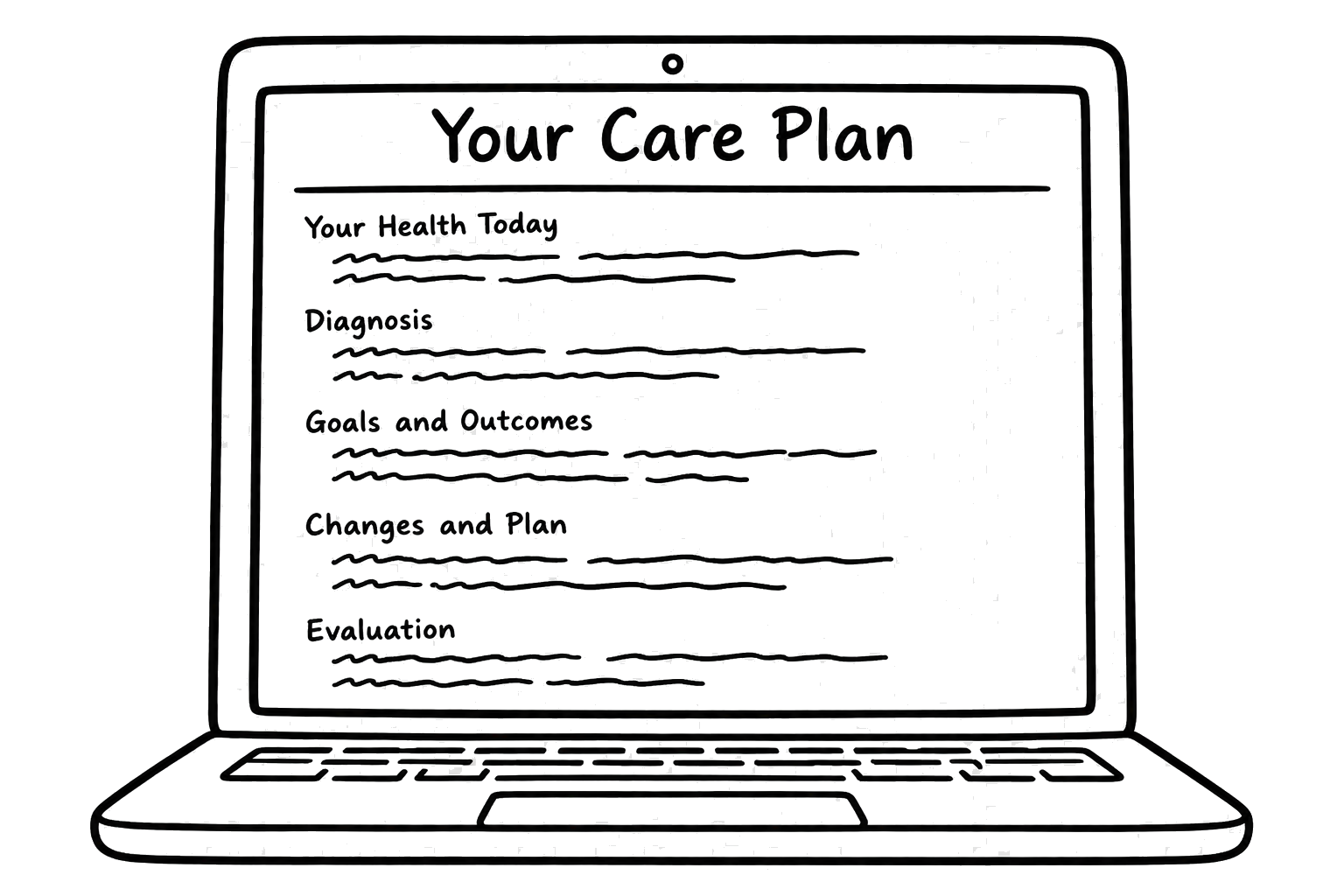
We're starting with sick visits, annual wellness visits, and chronic care at small practices. For wellness and chronic care visits, the record also includes a care plan that both of you can see.
01
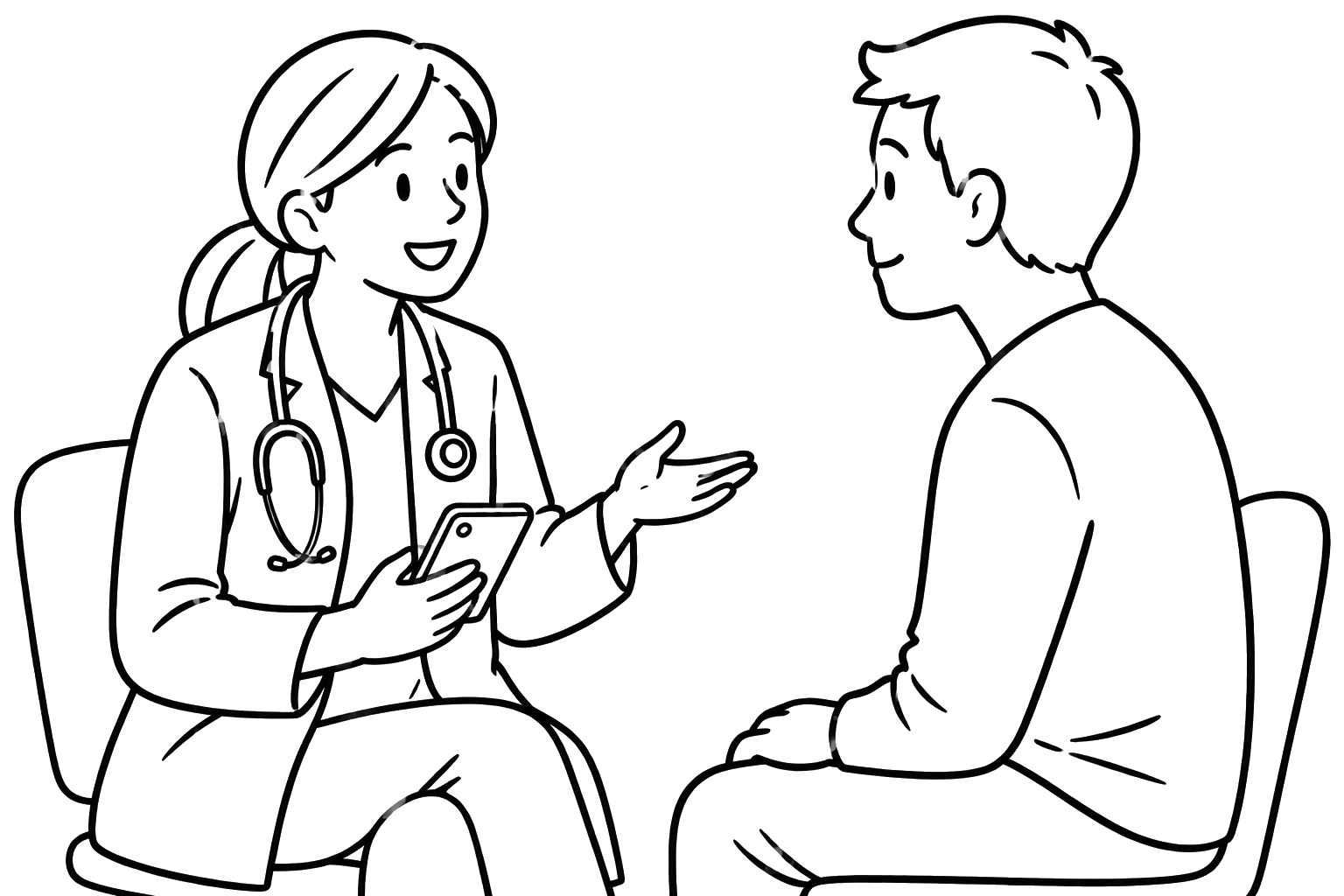
Reverb writes up both halves of the visit: the patient's history and concerns, and the clinician's diagnosis and plan.
02
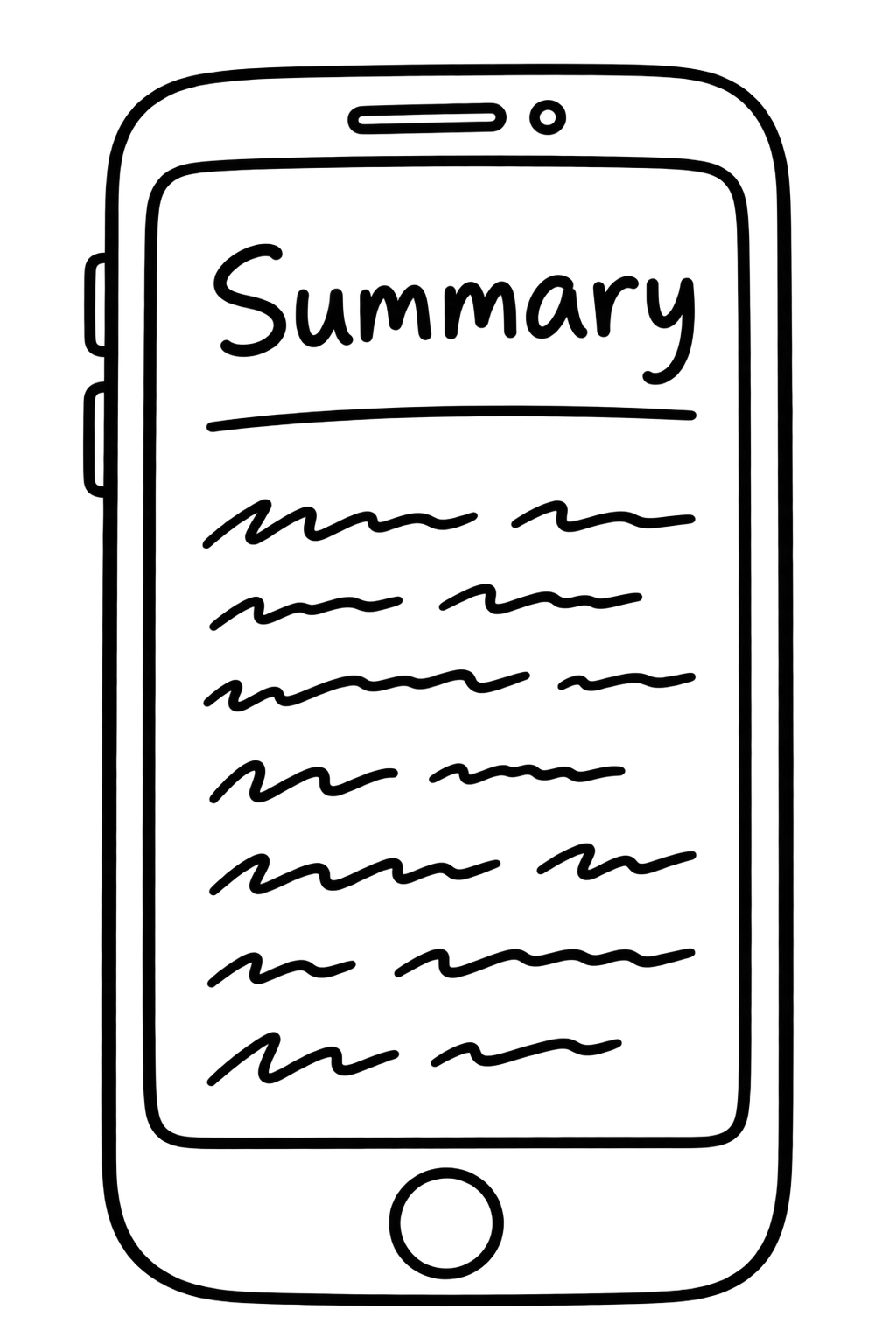
The patient reads their half in plain language and fixes anything that's wrong. The clinician checks the diagnosis and plan. Each signs their half.
03
Both leave with the same signed record. The patient has a record they've actually read, and the clinician has a history the patient confirmed.
Does this happen to you? Tell us below. If it doesn't, that's just as useful to hear.
Tell us in a sentence or two. We read every reply and write back.
Rather talk? Email john@reverbhealth.co or alex@reverbhealth.co.